
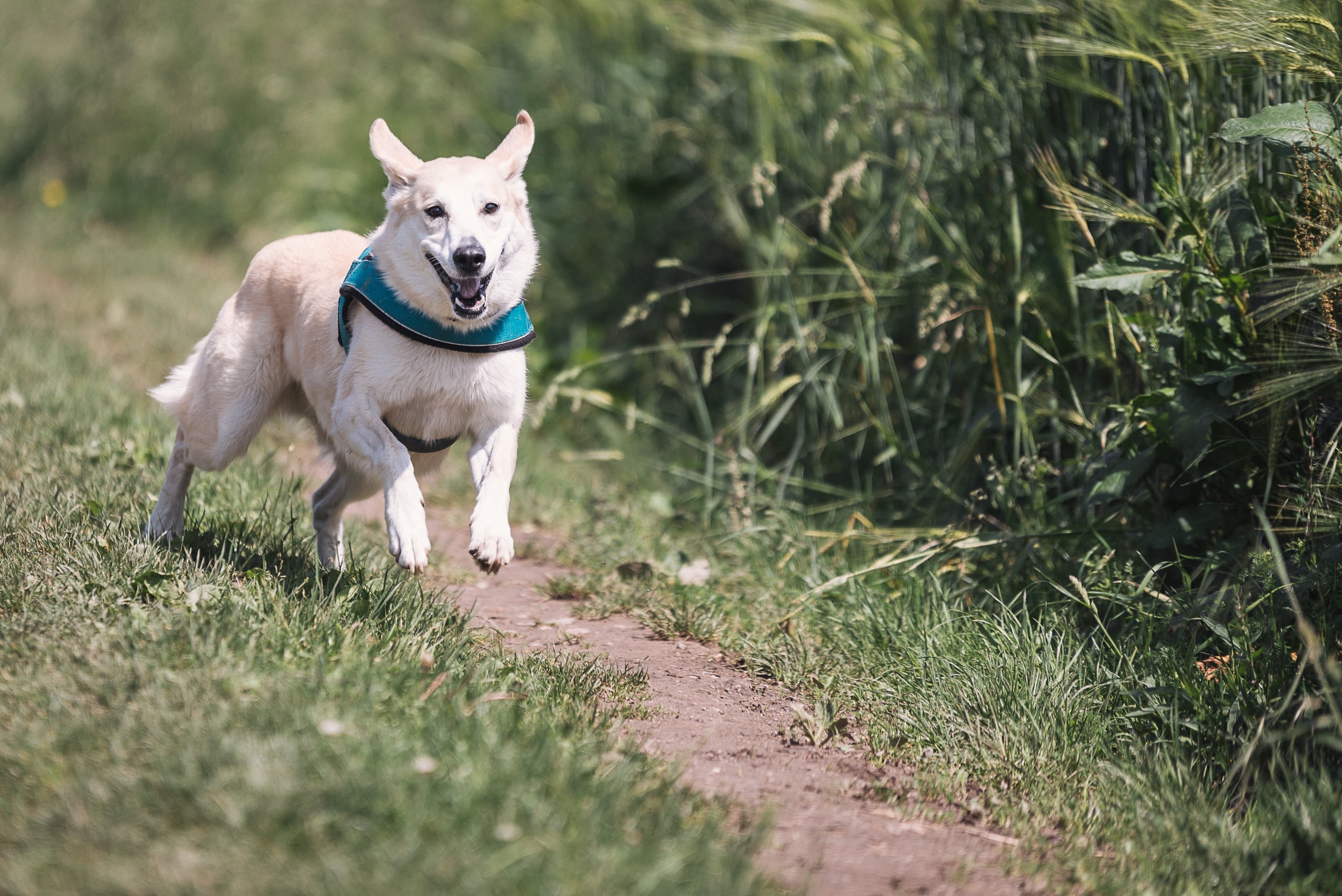
Bringing home a puppy is such an exciting experience and you’ll be looking forward to playtime, cuddles, and watching your new puppy grow up. You will likely have done plenty of research into different dog breeds and which may suit your family. There’s also so much to learn about raising a healthy and well-adjusted puppy.
When you have done all your research and decided that you would like to welcome a puppy into your family, then you might naturally consider what the true first-year puppy cost is, and many first-time dog owners underestimate how quickly everything can add up.
In this article, we take a look at the first-year puppy cost and a realistic breakdown of what new dog owners can expect to spend during their puppy's first year. Understanding these costs in advance can help you prepare financially and ensure your puppy gets the very best care it deserves.
When purchasing from a reputable breeder, costs can vary significantly based on breed, pedigree, and demand. Prices often range from $1,000 to $4,000 or more for certain breeds. It’s important that you purchase a puppy from a responsible and ethical breeder to ensure the best start for your puppy.
You will pay lower adoption fees if you choose a puppy from a shelter or rescue organisation, typically ranging from $50 to $500, depending on location and what services are included. Many adoption fees cover initial vaccinations, microchipping, and spaying or neutering.
One of the most important aspects of the cost of raising a puppy is healthcare. During the first year, puppies require multiple veterinary visits for vaccinations, wellness exams, parasite prevention, and routine health checks. Puppy vaccinations are essential for keeping your puppy healthy.
Routine care can cost between $500–$1,500. You should also microchip your puppy if this has not already been done and consider other additional veterinary expenses, which may include deworming treatments, flea and tick prevention, and heartworm prevention.
You should also factor in the need for emergency veterinary care, which can cost between $500–$3,000 or more. Unexpected health issues can dramatically increase your total expenses and many veterinarians recommend considering pet insurance while your puppy is young and healthy.
It is an optional expense, but pet insurance can help offset unexpected medical expenses resulting from accidents, illnesses, or surgeries. Premiums vary depending on breed, location, age, and coverage levels, but a monthly premium is generally between $20–$80.
Growing puppies require high-quality nutrition to support healthy development. Your food costs depend on your puppy's size, breed, dietary needs, and the type of food you choose. Large-breed puppies generally consume significantly more food than smaller breeds and premium brands will also cost more.
There are different options for puppy diets, from dog pellets to home-cooked meals and specialist raw food diets. So the type of diet you decide to offer your puppy can have a significant impact on the costs. Monthly food expenses typically range from $30 to $100 or more.
Puppies go through teething, so you will want to budget for teething treats. Positive reinforcement training involves rewarding the correct response to a command or a correct behaviour with a treat. This might be praise, a pat, a homemade food treat, or store-brought dog treats.
Estimated annual food expenses for dry or wet food are between $360–$1,200, and training treats and chews can cost between $100–$300, so the total estimated food costs are between $460–$1,500 annually.
It’s important that you invest significant time in positive reinforcement training so your puppy grows up into a well-behaved and well-adjusted adult dog. Training is one of the most valuable investments you can make during your puppy's first year. Professional puppy classes help establish good behavior, improve socialization skills, and strengthen the bond between owner and dog.
While some owners choose to train independently, many dog owners benefit from structured classes led by experienced trainers or hire a puppy behaviourist. This can cost you anywhere between $100 to $1,500 and you may need to purchase additional training equipment.
Many new owners forget that puppies require a substantial amount of equipment before they even arrive home, and this can quickly add up. Basic supplies often include a crate, dog bed, food and water bowls, collar and leash, harness, ID tags, toys, grooming tools, cleaning products for accidents, puppy gates, and puppy proofing items.
Some puppies quickly outgrow their initial supplies, particularly collars, harnesses, and beds, so you might need additional purchases of these items. An estimated first-year essential supply and equipment costs are between $300–$1,000.
Grooming costs vary dramatically depending on breed. Short-haired breeds may only require occasional baths and nail trims, while long-haired or high-maintenance breeds often need professional grooming every four to eight weeks.
Common grooming expenses include shampoo and grooming supplies, nail trimming, ear cleaning, and professional grooming appointments, which can cost between $50 to over $1,200 annually.
Many first-time owners overlook these expenses when calculating the hidden costs of owning a dog. If you travel, work long hours, or occasionally need help caring for your puppy, you may require dog daycare, pet sitting services, boarding facilities, and dog walking services. Your lifestyle will have a significant impact on this expense, but it may cost between $100 to $5,000+ annually.
Owning a puppy is one of life's most amazing experiences, but it's important to approach dog ownership with realistic financial expectations. Beyond the purchase price, veterinary care, food, training, supplies, and unexpected expenses all contribute to the true first-year puppy cost.
By understanding the full costs and working out a detailed puppy budget checklist, you'll be better equipped to provide a happy, healthy start for your new family member and be able to provide everything they need to raise a happy, healthy, and well-behaved companion.
02 July, 2026