
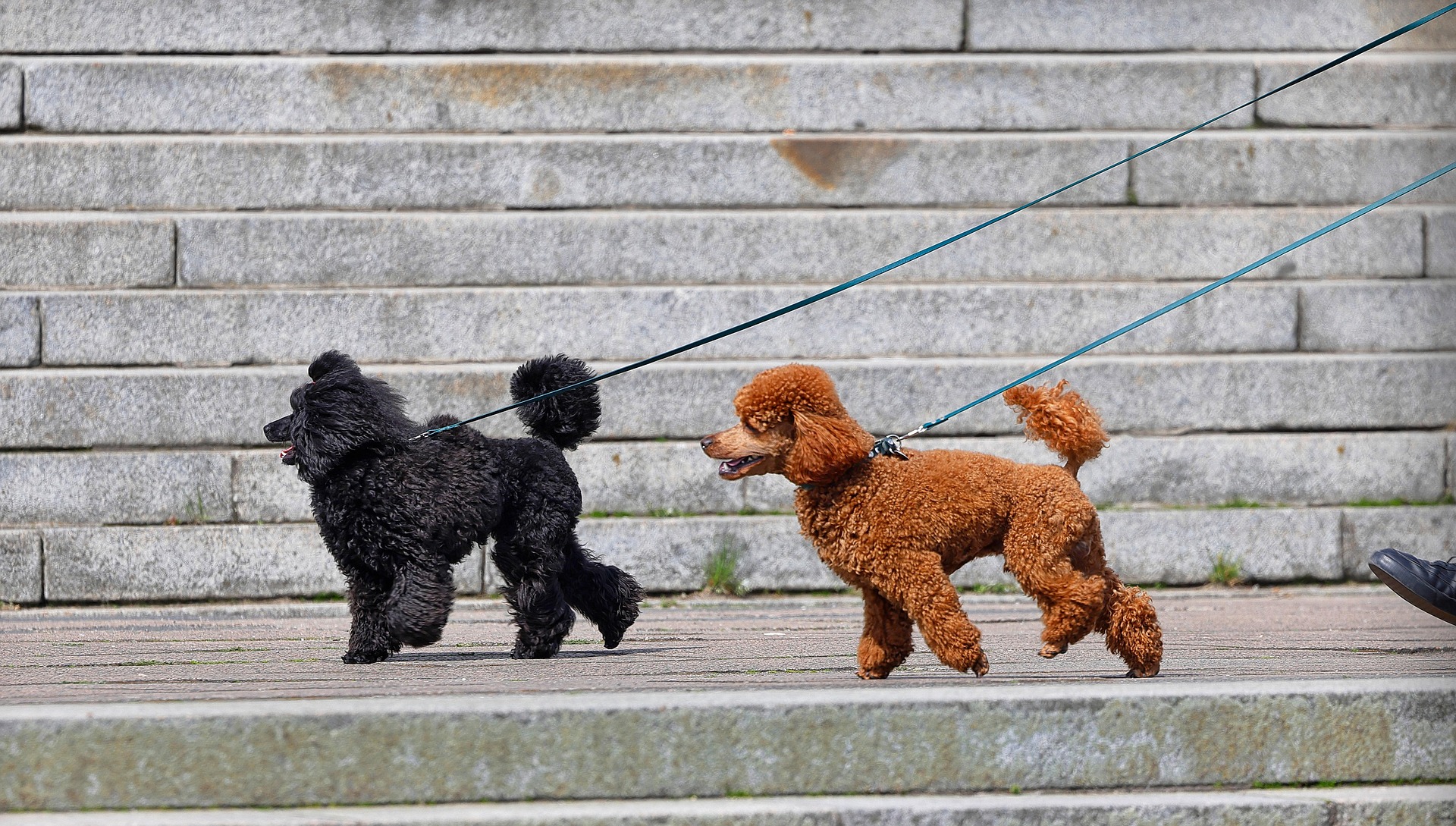
Dog walking is one of the most rewarding daily activities for pet owners, offering exercise, mental enrichment, and quality bonding time with your beloved dog or puppy. But while it’s often seen as a relaxing and fun activity, dog walking carries its own set of risks, including dog walking injuries, especially if a dog suddenly pulls, lunges, or becomes distracted. Injuries from dog walking have been on the rise in the U.S., and understanding the common types, causes, and prevention strategies can help keep both you and your pet safe.
In this article, take a look at potential dog walking injuries, why they happen, and practical dog walking training tips and techniques to help prevent them. These tips are ideal for both new puppy families and experienced dog owners!
Dog walking injuries can affect almost any part of the body, though the most frequent issues involve the upper extremities, head, and lower body. Pre-existing conditions can worsen if a dog yanks suddenly, especially in older adults.
Your arms and hands often take the brunt of sudden jerks or pulls. Common injuries include finger fractures, and spiral fractures of the fingers are common when a dog’s leash gets tangled around the hand. Other common dog walking injuries are to the wrist, when sudden pulls can cause wrists to twist unnaturally, leading to sprains or fractures.
You can also incur elbow injuries, which can either be dislocations or strains that may occur if a dog walker’s arm extends too far while trying to control their dog. And also rotator cuff strains and shoulder sprains can result from abrupt tugging, particularly in larger or stronger dogs.
A more obvious potential dog walking injury is falls caused by a dog pulling unexpectedly, which can result in serious trauma. This can be a real concern, especially for older dog owners. Concussion or traumatic brain injury (TBIs) can occur when a fall causes a direct impact to the head.
Even your legs and ankles aren’t safe from dog walking mishaps, as ankle sprains and strains can occur. Slips on a muddy path or uneven terrain may lead to twists, especially when a dog suddenly changes direction.
Understanding why dog walking injuries happen is essential to preventing them. Several factors can commonly contribute to accidents. Dogs can lunge for another dog or simply a passing cyclist. These sudden movements exert significant force through the leash, often catching the walker off guard. Even small dogs can generate enough pull to cause wrist, elbow, or shoulder injuries.
Avoiding distractions like phones, headphones, or simply daydreaming can prevent you from noticing obstacles or approaching hazards. Being aware is critical, especially in busy or unfamiliar areas and can also help you notice if your dog is about to pull on the lead.
How you hold your dog’s leash can also make a big difference to your risk of dog walking injuries. Wrapping the leash around your hand or wrist is dangerous, as it increases the risk of burns and fractures if the dog lunges. Retractable leashes, while convenient, can also pose entanglement risks.
You should be particularly careful when walking on slippery sidewalks, wet leaves, or uneven terrain, as these conditions increase the likelihood of falls. Footwear matters too, sandals, flip-flops, and worn-out sneakers provide little support and grip. So wear some good walking shoes or boots when out dog walking.
Research has also shown that older adults, over 65, and women are at higher risk for fractures and falls during dog walks. This may be due to bone density differences, slower reaction times, or pre-existing health conditions.
Fortunately, many dog walking injuries can be prevented with proper training, clothing, equipment, and awareness. You should use a short, fixed-length leash, which gives you better control and reduces the risk of your dog getting too far ahead. For strong pullers, a front-clip harness can redirect force away from your arms and reduce injury risk.
Never wrap the leash around your hand or wrist, as looping the leash increases the chance of injury during sudden pulls. You might want to consider cushioned leash handles as they can reduce hand fatigue and protect against leash burns.
Proper training is key to controlling your dog and reducing unexpected pulls. You might want to enroll in puppy or dog training classes. When training your dog always use positive reinforcement techniques and offer treats or praise as a reward for good behavior. Teaching your dog to “heel” on command can help prevent dog walking injuries and try to teach your dog not to lunge.
Gradually practicing walks in increasingly busy or stimulating environments will help build reliability, especially in puppies. Regular training and obedience sessions are essential for helping your puppy grow up into a responsible, well-behaved adult dog. As your dog grows older you can increase the length of time you spend training.
Dog walkers should wear shoes with good traction and support to prevent slips and ankle injuries. Stay alert to your surroundings, including traffic, other dogs, and obstacles. Avoid walking while looking at your phone and pay attention to surface conditions, such as ice, mud, or uneven sidewalks.
Older adults, especially women, are more vulnerable to falls and fractures during dog walks. For these groups, extra caution is recommended, so stick to shorter walks or well-paved routes, use supportive walking shoes and avoid loose, slippery surfaces. Consider walking with a friend or family member if your balance or mobility is a concern. Also consider dog walk training classes to ensure dogs respond reliably to commands, reducing the risk of sudden lunges.
Even with precautions, accidents can happen when dog walking. Seek medical care if you experience persistent pain, swelling, or inability to move a joint, which could indicate a possible fracture or sprain. Head injury symptoms like dizziness, confusion, nausea, or headaches, which could be a possible concussion or TBI. Or if you experience severe back or shoulder pain following a sudden pull. Early treatment can prevent complications and promote faster recovery.
You might, at times, want to consider using a dog walker to help.
Dog walking injuries are more common than many people realize, but most are preventable with simple precautions. Proper leash management, dog walk training, careful footwear selection, avoiding slippery paths and maintaining awareness of your surroundings can drastically reduce your risk.
For older adults or those walking larger or more energetic dogs, additional safety measures like harnesses and shorter walks can make all the difference. With these precautions and good dog training, you can enjoy dog walks and remain safe at the same time!
02 April, 2026