
If you’ve ever visited a dog shelter, you will know the mix of excitement and heartache - wagging tails, soulful eyes, and the reality that many wonderful dogs are waiting for a second chance. Shelter dogs come in all shapes, sizes, and personalities, but some breeds tend to appear in shelters more often than others. Knowing which common breeds can help potential adopters prepare, understand temperament, and find the right companion for their family and home.
Adopting a shelter dog is a rewarding experience, but it requires understanding their background, needs, and temperament. You should meet the dog multiple times and spend time observing how they behave in different situations. Also, ask about their history and request that shelter staff share vital details about their behavior, training, and health. Ensure you match the dog’s activity needs to your lifestyle.
In this article, we take a look at 15 of the most common dog breeds found in shelters. Let’s take a look at each breed’s personality, specific needs, and what to expect when rehoming dogs of these breeds.
Often referred to as “AmStaff mixes” in dog shelters, these dogs are sturdy, loyal, and highly people-oriented. While their muscular build can be intimidating, most are gentle, playful, and crave affection. Due to breed restrictions in some areas, these dogs often end up in dog shelters, making them a common find for adopters ready to provide a loving home.
Labrador retrievers are America’s beloved family dogs, so it might be really surprising to see them in shelters. Often, young adult Labs are surrendered because their energy levels or size didn’t fit their previous owner’s lifestyle. Labrador retrievers are affectionate, intelligent, and highly trainable, which makes them a fantastic choice for anyone rehoming dogs.
This tiny dog breed can often appear in shelters due to their small size, yet strong personalities. Many dog owners underestimate their needs, especially exercise and socialization. And they can be quite demanding! Despite this, they’re charming, alert, and make excellent companions for apartment dwellers who can also provide suitable exercise and socialization.
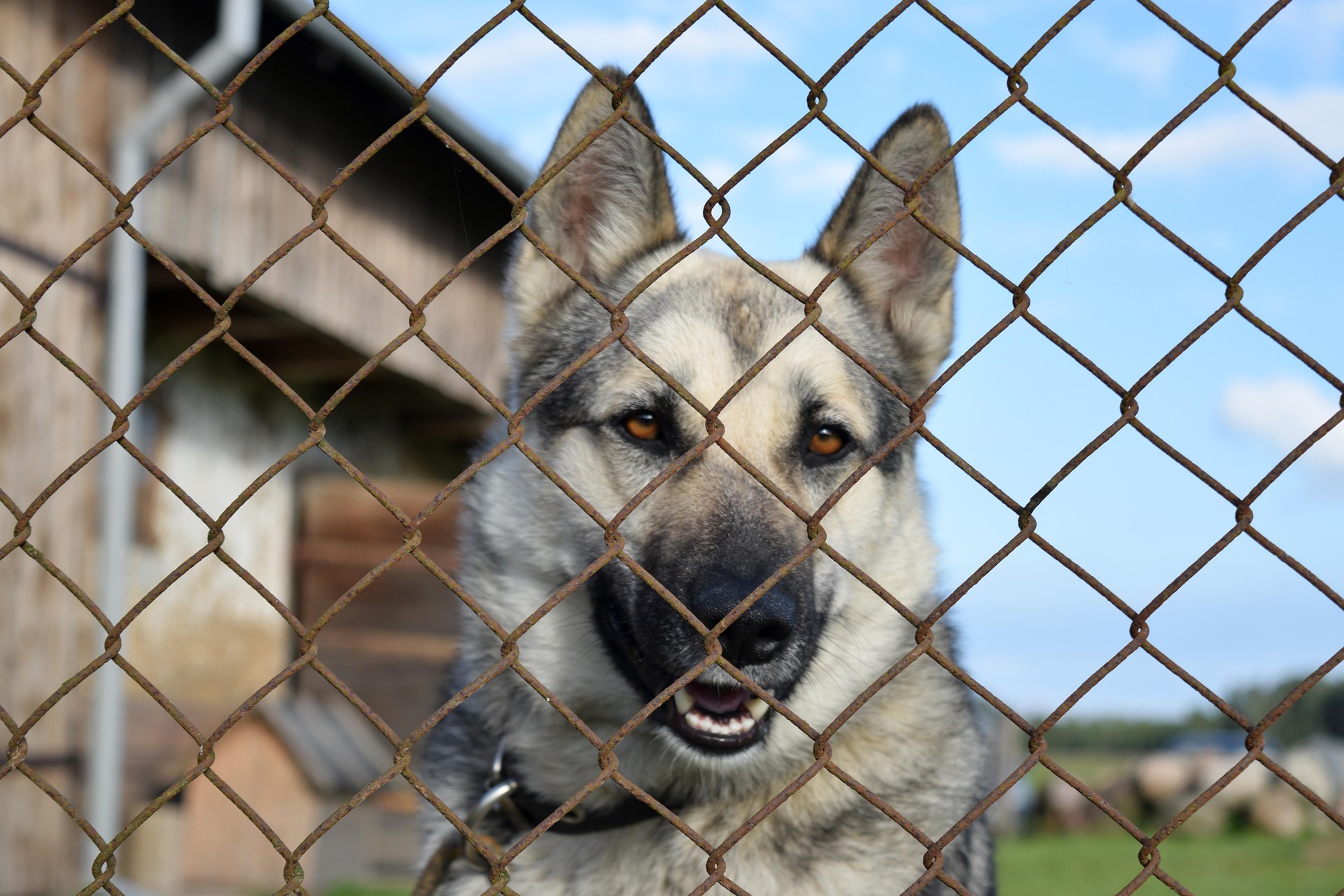
One of the most versatile and intelligent breeds, German Shepherds are frequent shelter dogs. This breed is often surrendered due to their high energy or need for consistent training. These dogs excel in active homes where mental stimulation and exercise are a priority.
Pit Bull-type dogs dominate shelter populations in the US. These dogs are often misunderstood because of stereotypes, but in reality, they’re affectionate, loyal, and eager to please. Shelters see high numbers of this breed because they are frequently surrendered or rescued from challenging situations.
Beagles are friendly, food-driven, and love to explore. It might seem surprising for this breed to be a common shelter dog. Their curiosity can sometimes get them into trouble and they can have a tendency towards howling if left alone for significant periods. If you’re looking to rehome a small-to-medium dog with tons of personality, Beagles are a fun choice.
Highly intelligent and energetic, Border Collie mixes often find themselves as shelter dogs, often surrendered because their previous homes underestimated their exercise and mental stimulation needs. They thrive in active households and are best suited for adopters willing to commit to positive reinforcement training and daily activity.
Pomeranians are adorable, fluffy, and full of personality. These tiny dogs often end up in shelters due to grooming challenges or behavioral issues that come with lack of proper training. For the right owner, a Pomeranian offers endless affection and playful energy.
With their long bodies and short legs, Dachshunds are charming and stubborn. Many Dachshunds in shelters are surrendered due to behavioral challenges or separation anxiety. They are excellent watchdogs and loving companions when given patience and good positive reinforcement training.
Boxers are energetic, playful, and affectionate dogs that often end up as shelter dogs due to their high activity levels. They require an owner who can match their energy and provide consistent training, but otherwise, Boxers can make fantastic family pets when their needs are met.
Another intelligent and energetic breed, Australian Shepherd mixes often arrive in shelters because their previous owners couldn’t meet their mental and physical stimulation requirements. These dogs thrive in active households that can provide plenty of physical and mental enrichment.
Shih Tzus are charming lapdogs, but many are surrendered to shelters due to grooming demands or behavioral issues. They are calm, affectionate, and adaptable, making them ideal for people looking for a smaller shelter dog to adopt.
Another surprising shelter dog is the Golden Retriever. The breed is generally loyal, friendly, and intelligent. While they are highly sought after, some end up in shelters due to life changes, like moves or family circumstances. They are versatile companions and excellent for families looking to rehome a dog with a gentle temperament.
Many shelters are full of small mixed-breed dogs. These pups often combine traits from multiple breeds, making their personalities unique. Small mixed breeds are perfect for adopters looking for a companion who is adaptable, affectionate, and often lower-maintenance than purebred counterparts.
Cocker Spaniels are affectionate, gentle, and have a soft disposition that makes them excellent family pets. They sometimes end up in shelters due to grooming needs or separation anxiety. With love and patience, a Cocker Spaniel can thrive in a new home.
Shelter dogs can be found in a variety of breeds, but the ones listed here are consistently among the most common. From Labrador retrievers to tiny Pomeranians, these dogs offer a wide range of temperaments, sizes, and personalities. Understanding what each breed might need can help you prepare for a successful adoption experience.
Whether you’re a first-time adopter or an experienced dog owner, opening your home to a shelter dog is an incredibly rewarding experience. Each dog has its own story, and with patience, love, and attention, they can thrive in their new forever home.
30 April, 2026